
Understanding the Difference Between Obstetrics and Gynecology
Understanding the Difference Between Obstetrics and Gynecology
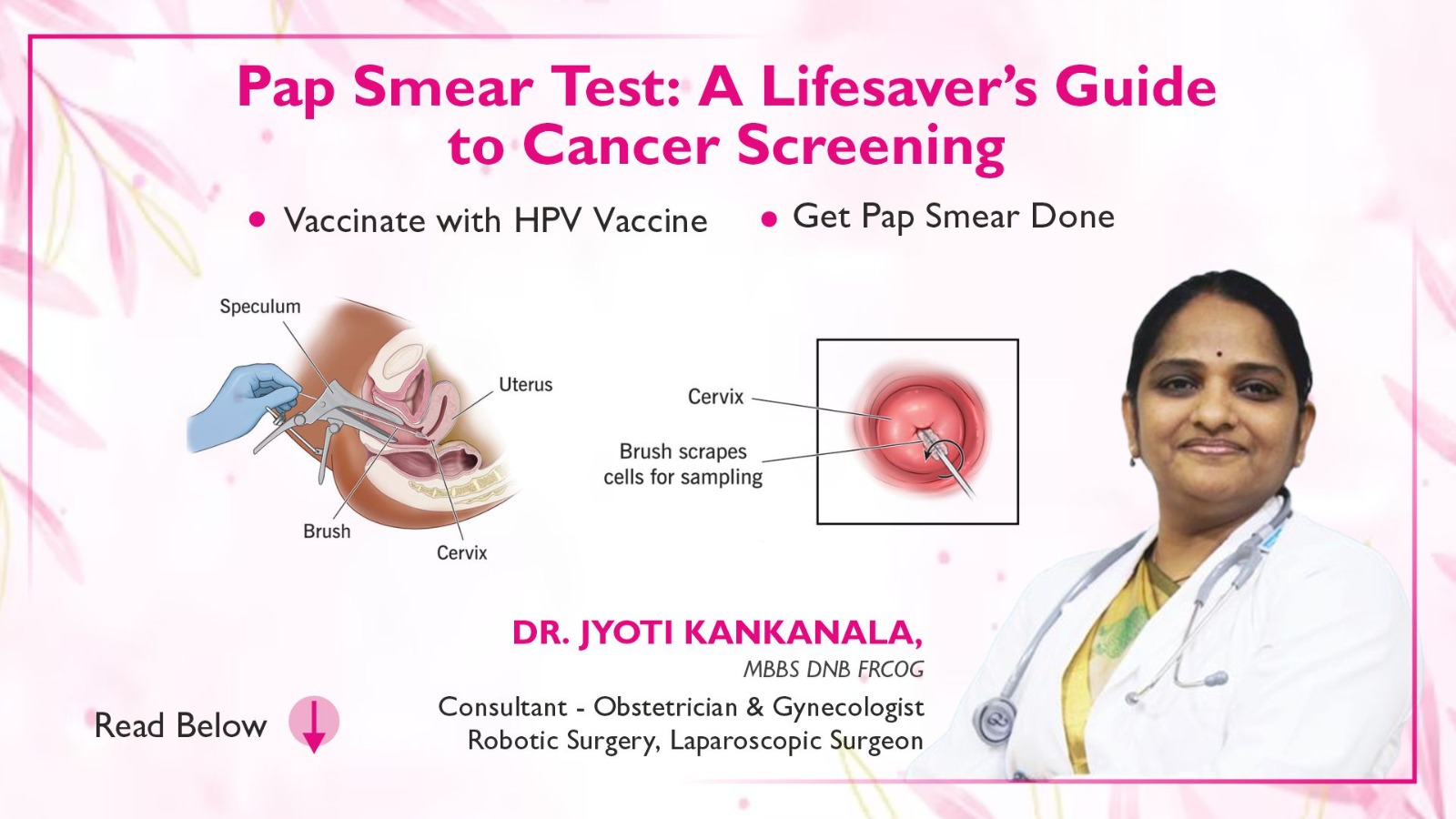
Pap Smear Test: A Lifesaver’s Guide to Women’s Cervical Health
A Pap smear test is a simple, quick screening that helps detect early changes in cervical cells—often before they turn into cancer. It can truly save lives by identifying problems at a stage where treatment is most effective.
Why it matters:
Cervical cancer develops silently, often without symptoms in the early stages. Regular screening can prevent serious complications and ensure timely care.
Who should get tested?
Women aged 21–65 should undergo regular Pap smear screening as advised by their doctor.
Doctor’s Advice – Dr. Jyoti Kankanala
“Don’t wait for symptoms. Preventive screening is the key to women’s health. A routine Pap smear can detect early changes and protect you from future risks. Prioritize your health with regular check-ups.”
Takeaway:
Early detection = Better protection.
Make Pap smear a part of your routine health care.
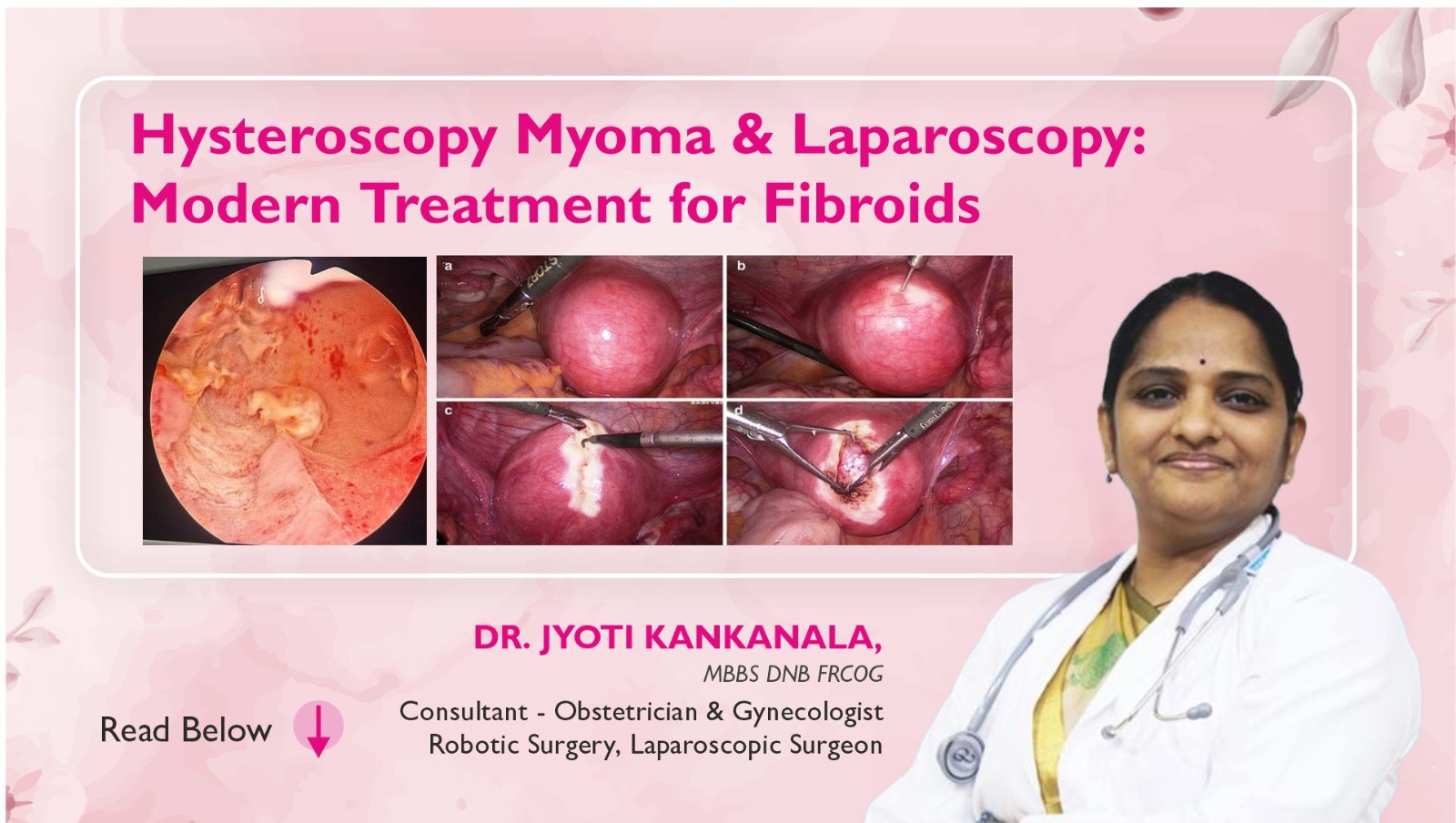
Hysteroscopy Myoma & Laparoscopy: Modern Treatment for Fibroids
Uterine fibroids (myomas) are non-cancerous growths that can cause heavy periods, pelvic pain, and fertility issues.
Hysteroscopy Myoma Removal
A minimally invasive procedure where a thin camera is inserted through the vagina into the uterus.
- Best for fibroids inside the uterine cavity
- No cuts, faster recovery
Laparoscopy for Fibroids
A keyhole surgery using small abdominal incisions and a camera.
- Used for fibroids outside or within the uterine wall
- Less pain, minimal scars, quick healing
Frequently Asked Questions (FAQs)
No, it is usually done under anesthesia, so you won’t feel pain during the procedure.
It depends on the fibroid location. Your doctor will recommend the best option.
- Hysteroscopy: 1–2 days
- Laparoscopy: 3–7 days (varies by case)
Yes, in some cases they may recur, so regular follow-up is important.
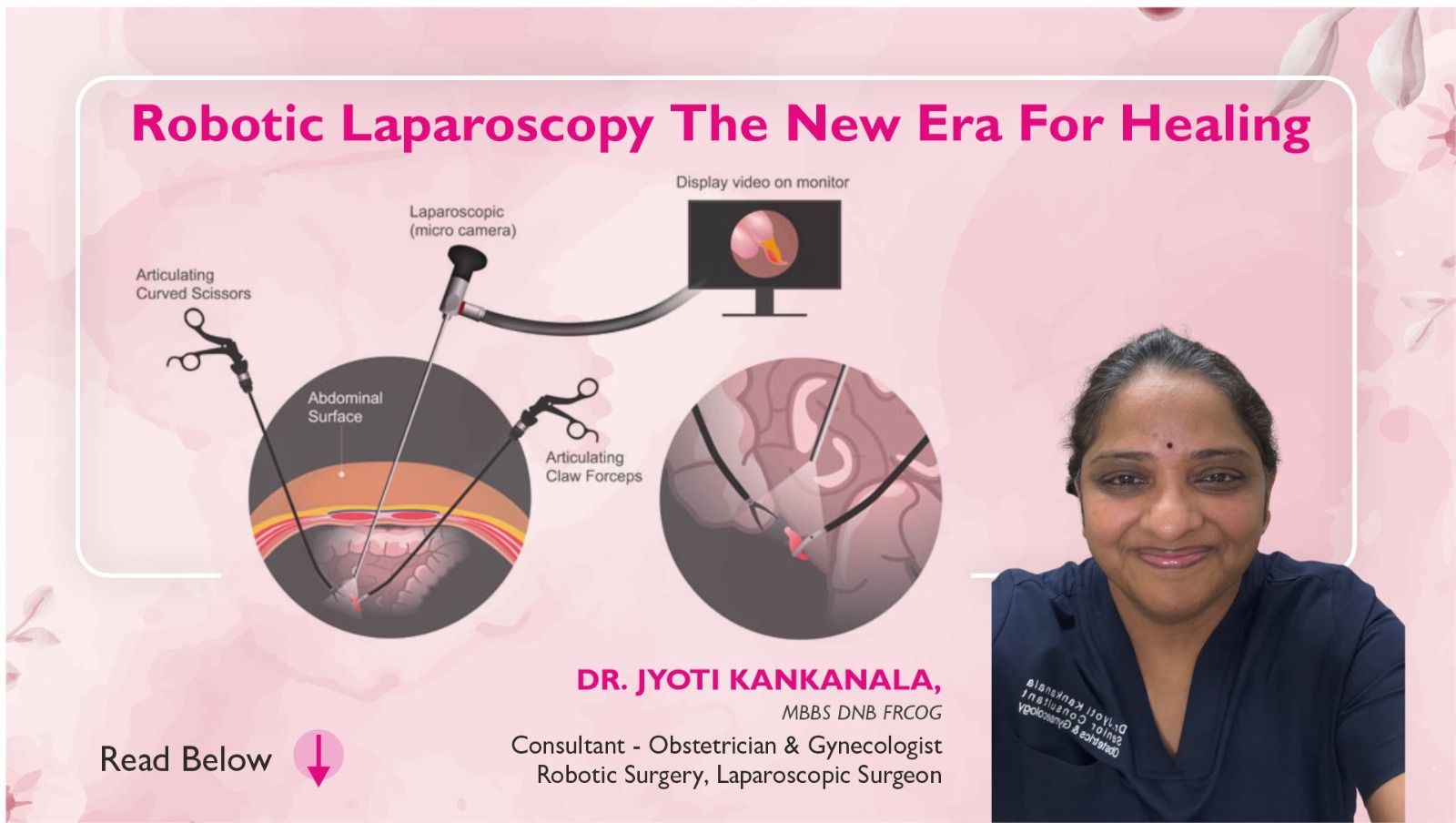
Frequently Asked Questions (FAQs)
It is an advanced surgery where doctors use robotic technology to perform precise and minimally invasive procedures.
Yes, it is very safe when done by experienced doctors and offers high accuracy with fewer complications.
Smaller cuts, less pain, faster recovery, minimal blood loss, and shorter hospital stay.
Most patients recover quickly and can return to normal activities much sooner than traditional surgery.
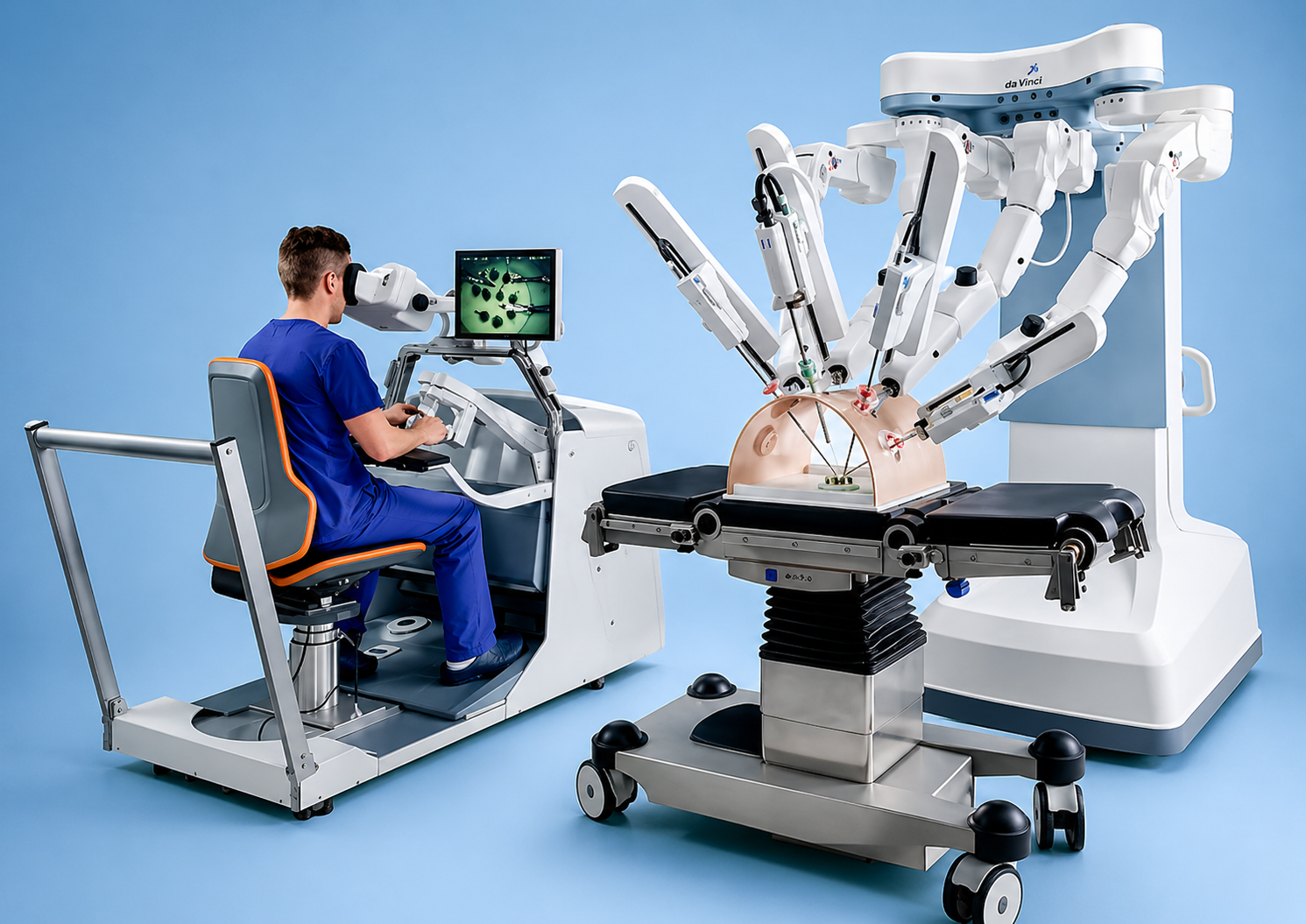
Laparoscopy vs Robotic Surgery
| Feature | Laparoscopy | Robotic Surgery |
|---|---|---|
| Type of surgery | Minimally invasive | Advanced minimally invasive |
| Safety | Very safe, well-established | Equally safe in experienced hands |
| Incisions | Small cuts | Small cuts |
| Pain | Less | Less |
| Blood loss | Minimal | Minimal |
| Recovery | Fast | Fast (similar to laparoscopy) |
| Hospital stay | Short | Short |
| Precision | High | Very high (enhanced control & vision) |
| Surgeon comfort | Good | Better ergonomics, less fatigue |
| Instrument movement | Limited compared to robotic | More flexible, wrist-like movements |
| Vision | 2D camera | 3D high-definition, magnified (zoomed) |
| Best use | Most routine surgeries | Complex or delicate surgeries |
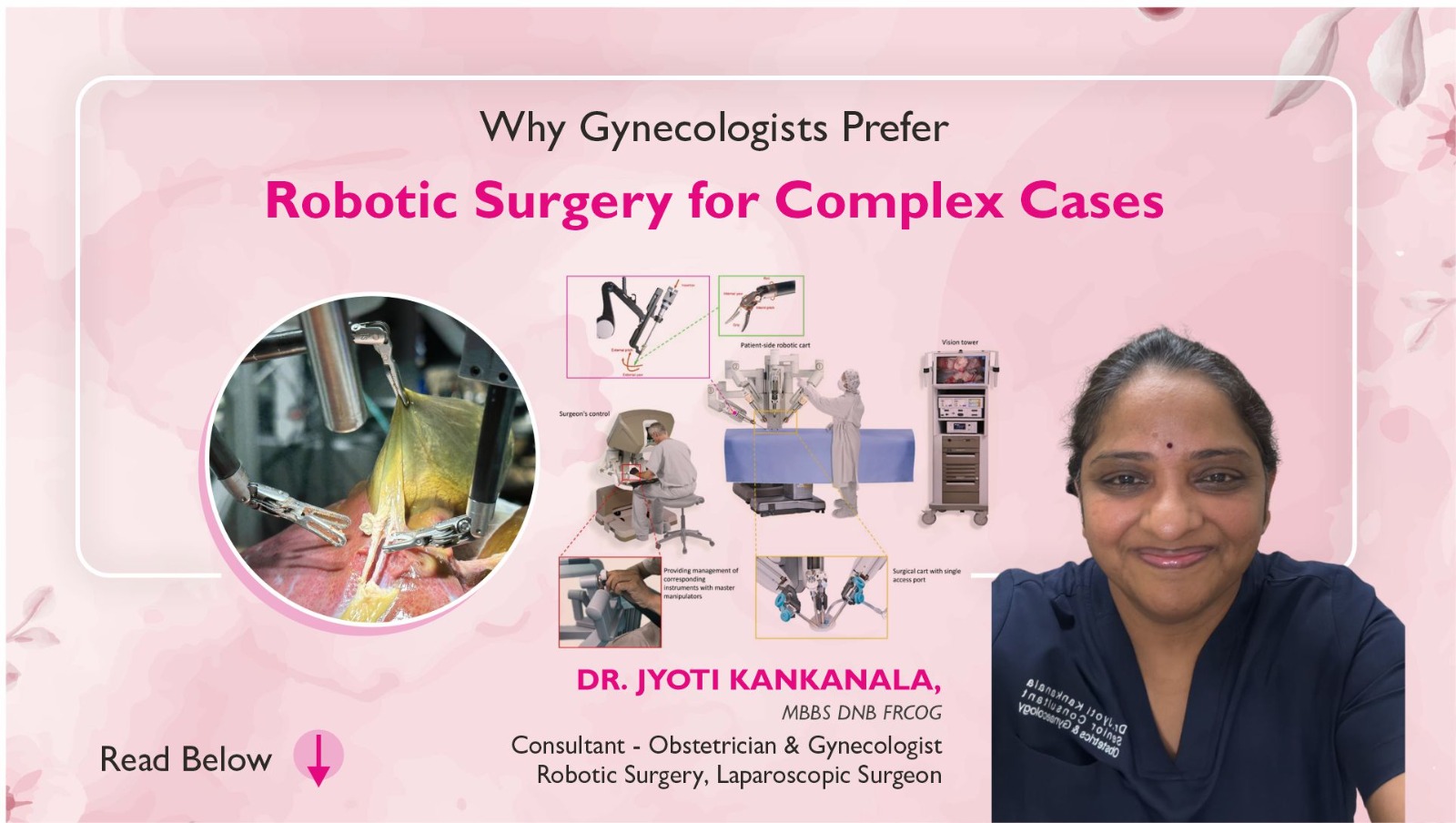
Why Gynecologists Prefer Robotic Surgery for Complex Cases
Robotic surgery offers greater precision, better control, and faster recovery, making it ideal for handling complex gynecological conditions safely and effectively.
Frequently Asked Questions (FAQs)
Because it allows highly precise movements and better visualization of delicate organs.
Yes, it reduces complications, blood loss, and risk of infection.
No, patients usually experience faster recovery and shorter hospital stays.
No, it uses tiny incisions, resulting in minimal scarring.
Absolutely, it helps in treating complex conditions with high accuracy.
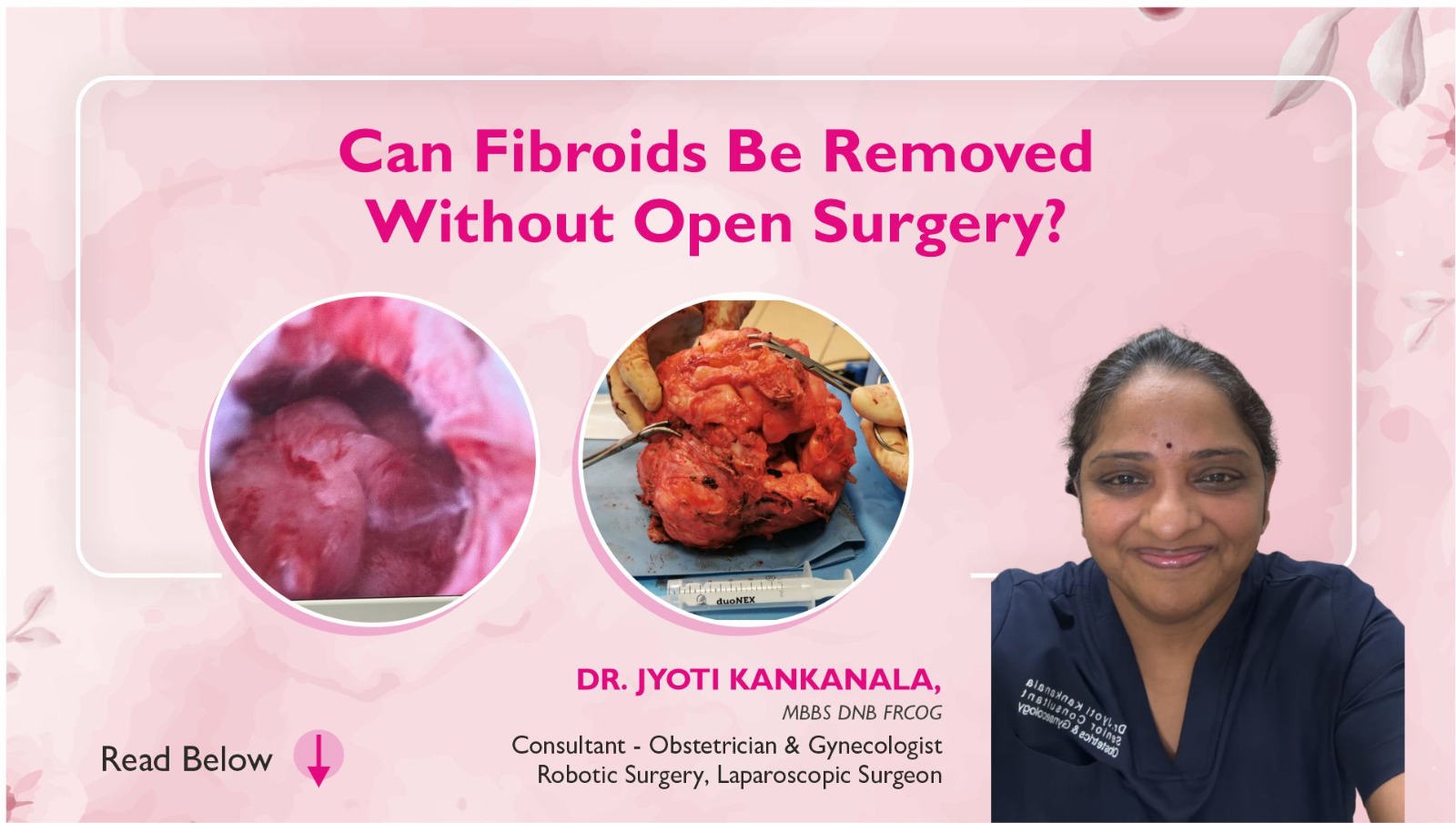
Can Fibroids Be Removed Without Open Surgery?
Fibroids are non-cancerous growths that develop in the uterus.
Heavy periods, pelvic pain, bloating, frequent urination, and severe cramps.
Yes, fibroids may affect fertility and pregnancy in some women.
Fibroids are removed through small cuts using advanced robotic technology for precise treatment.
In most cases, yes. The uterus can often be preserved for future pregnancy.
Most women recover faster compared to open surgery, usually within 1–2 weeks.
Fibroids can return in some cases, so regular checkups are important.
Yes depends on location if in cavity like in this video can do hysteroscopy mic myoma removal.
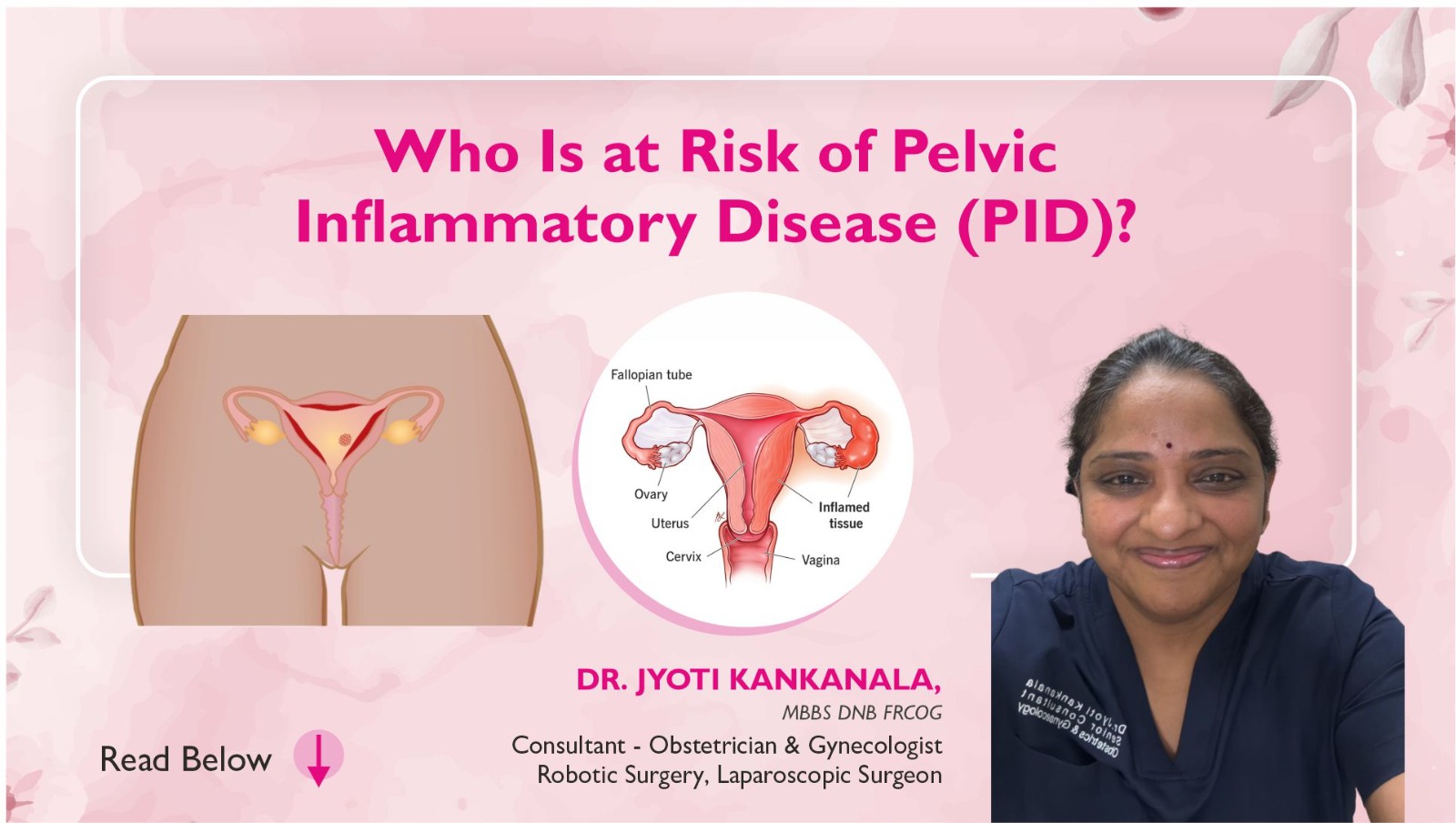
Who Is at Risk of Pelvic Inflammatory Disease (PID)?
Pelvic Inflammatory Disease (PID) is an infection of the female reproductive organs, including the uterus, fallopian tubes, and ovaries. It is most often caused by bacteria spreading from the vagina or cervix into the upper reproductive tract, commonly from untreated sexually transmitted infections (STIs).
Women may have a higher risk of PID if they:
- Have untreated sexually transmitted infections such as chlamydia or gonorrhea
- Have multiple sexual partners
- Have a previous history of PID or STIs
- Practice unprotected sex
- Recently had childbirth, miscarriage, abortion, or certain gynecological procedures
- Maintain poor intimate hygiene
- Are sexually active under age 25, which is associated with a higher STI risk
Common symptoms may include:
- Lower abdominal or pelvic pain
- Unusual vaginal discharge
- Fever or chills
- Painful urination
- Pain during intercourse
- Irregular menstrual bleeding
- Fatigue or general discomfort
Some women may have mild symptoms or no symptoms at all.
PID risk can be reduced by:
- Practicing safe sex and using protection
- Getting regular gynecological checkups
- Seeking early treatment for infections or STI symptoms
- Limiting the number of sexual partners
- Maintaining good intimate hygiene
- Ensuring both partners are treated if an STI is diagnosed
Conclusion:
Early diagnosis and timely treatment of PID are important to prevent complications such as chronic pelvic pain, infertility, or ectopic pregnancy. Regular medical care and awareness of symptoms can help support long-term reproductive health
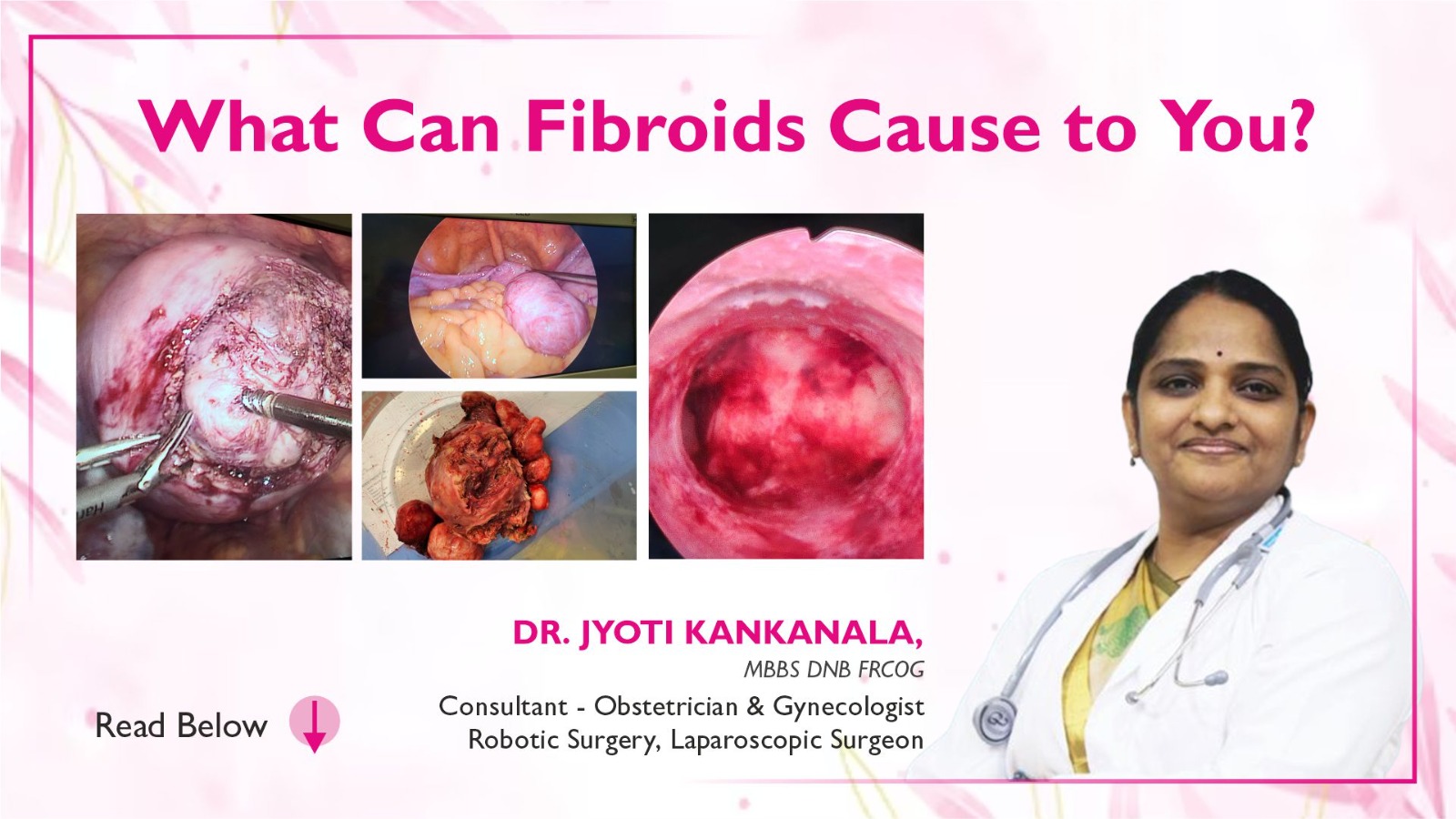
What Can Fibroids Cause to You?
Fibroids are non-cancerous growths in the uterus that can affect women differently. Some women may have no symptoms, while others can experience pain, heavy bleeding, bloating, pressure, or fertility-related concerns depending on the size and location of the fibroids.
Possible Impacts of Fibroids
- Heavy or prolonged periods
- Pelvic pain or pressure
- Frequent urination or bladder pressure
- Bloating or enlarged abdomen
- Back pain or leg pain
- Difficulty getting pregnant (in some cases)
- Fatigue due to heavy blood loss (anemia)
Torsion & Cancer Risk
Torsion Risk: Around 0.1%–0.5% (rare, usually in fibroids attached by a stalk/pedunculated fibroids).
Cancer Risk: Less than 1% (very rare). Most fibroids are non-cancerous.
Common Questions & Answers
No. Most fibroids are non-cancerous (benign) and cancer risk is very rare.
Yes. Large fibroids may cause bloating or belly enlargement
Sometimes. Depending on size and location, fibroids may affect fertility or pregnancy.
If you have heavy bleeding, severe pain, or frequent discomfort, consult a doctor for evaluation.
Understanding Fibroids
Many women ignore symptoms like heavy periods, bloating, or pelvic pain, thinking they are normal. Early checkups can help understand the condition and choose the right treatment if needed.
Can Fibroids Turn Into Cancer or Cause Torsion?
Fibroids are usually non-cancerous growths, but in very rare cases, complications can happen. Understanding the risks helps in early diagnosis and better care.
Risk Percentage
✔️ Torsion Risk: 0.1% – 0.5% (Rare):
Torsion can happen when a fibroid twists on its stalk, causing sudden severe pain and requiring immediate medical attention.
✔️ Cancer Risk: Less than 1% (Very Rare):
Most fibroids are benign (non-cancerous). A rare cancer called uterine sarcoma may sometimes be mistaken for fibroids
Common Questions & Answers
Very rarely. Less than 1% of fibroid-related cases may be cancerous.
It is when a fibroid twists on itself, causing sudden severe pain.
No. Most fibroids are harmless, but some may cause symptoms or complications.
If you have heavy bleeding, severe pain, bloating, or sudden abdominal pain, consult a specialist.
“Early diagnosis helps manage fibroids effectively and avoid complications.” – Dr. Jyoti Kankanala